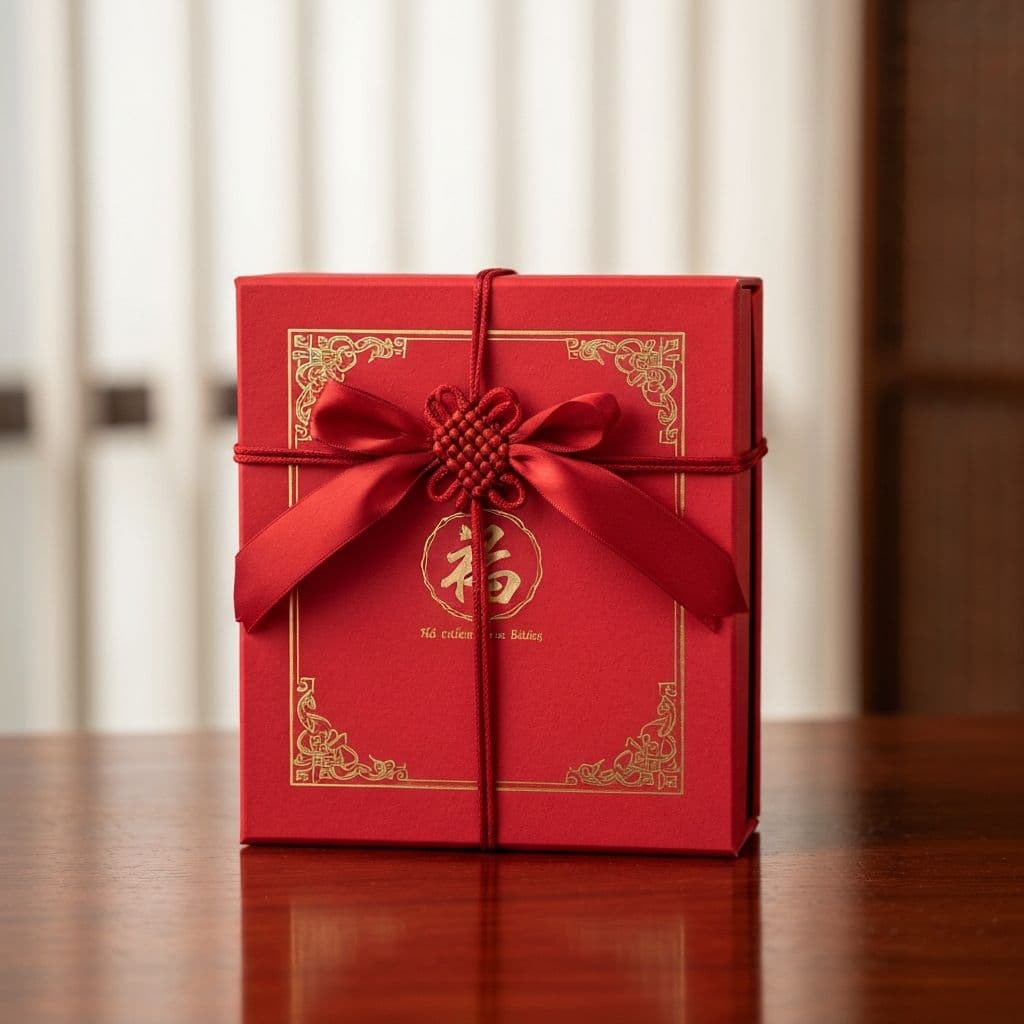
Chinese New Year: A Complete Guide for Foreigners
From red envelopes to reunion dinners, learn everything about China's most important festival and how to participate respectfully.
Anonymous
November 21, 2025
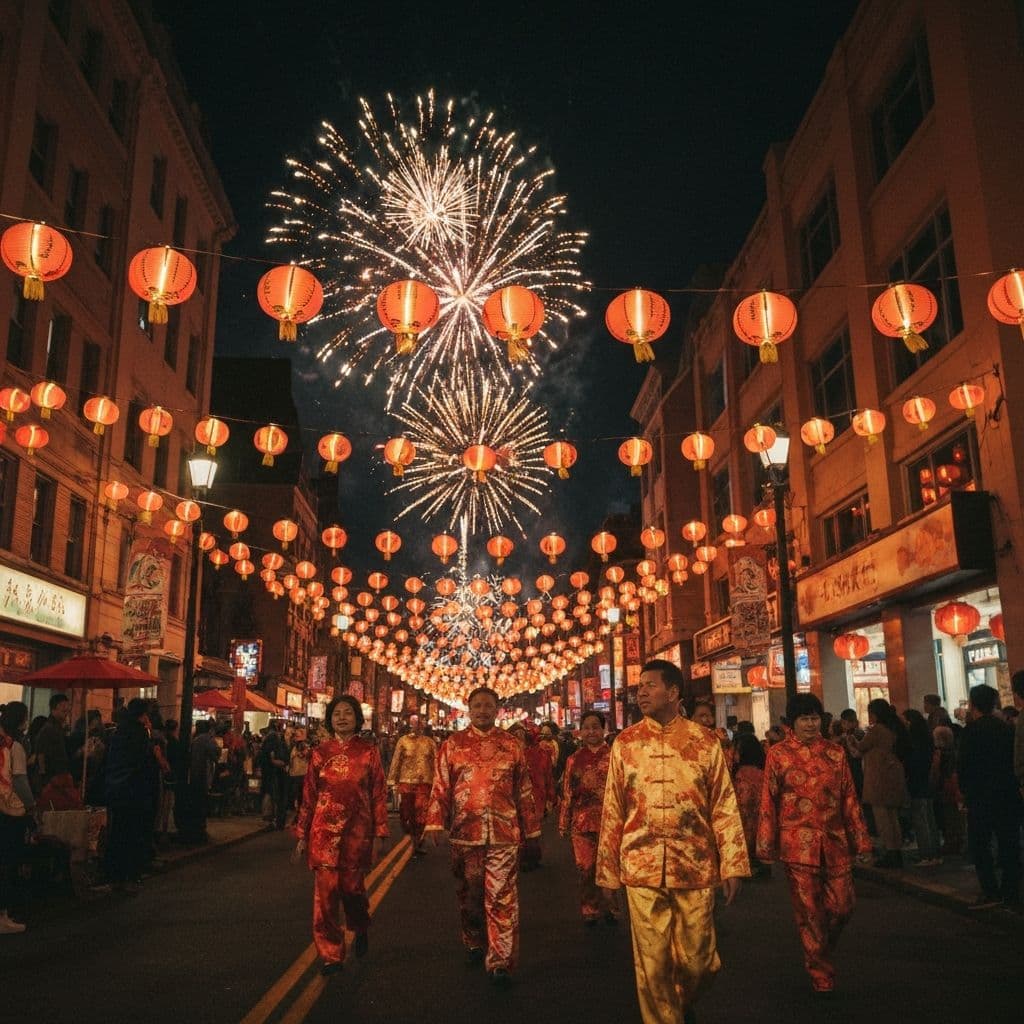
Chinese New Year, or Spring Festival (春节), is the most important holiday in Chinese culture. It's a time for family reunion, honoring ancestors, and welcoming good fortune for the year ahead.
The celebration typically lasts 15 days, from New Year's Eve to the Lantern Festival. During this time, China essentially shuts down as hundreds of millions of people travel home for the world's largest annual human migration.
Key Traditions
Understanding these traditions will help you participate meaningfully and avoid cultural missteps.
Red Envelopes (红包)
Red envelopes containing money are given to children and unmarried adults. The amount should be an even number (except 4, which sounds like "death") and preferably include the lucky number 8.
Pro tip: Always use new, crisp bills in red envelopes—wrinkled money is considered disrespectful. Banks often have long lines before the holiday as people exchange for new notes.
Reunion Dinner (年夜饭)
The New Year's Eve dinner is the most important meal of the year. Families gather to share symbolic dishes, each carrying special meaning:
- Fish (鱼) — symbolizes prosperity (the word sounds like "surplus")
- Dumplings (饺子) — shaped like ancient gold ingots, representing wealth
- Spring rolls — symbolize wealth (shaped like gold bars)
- Noodles — represent longevity (never cut them!)
- Tangyuan (汤圆) — sweet rice balls symbolizing family togetherness
Cleaning and Decorating
Homes are cleaned before the New Year to sweep away bad luck. Red decorations, including couplets and lanterns, are hung everywhere to ward off evil spirits and attract good fortune.
The color red dominates because it's believed to scare away the mythical beast "Nian" (年).
Do's and Don'ts
Following these guidelines will help you navigate the holiday respectfully.
Do:
- Wear red or bright colors—they symbolize good luck and joy
- Offer New Year greetings: "新年快乐!" (xīn nián kuài lè) or "恭喜发财!" (gōng xǐ fā cái)
- Bring gifts when visiting—fruit, sweets, or quality alcohol
- Stay up late on New Year's Eve (守岁)—it's believed to bring longevity to parents
Don't:
- Sweep or clean during the first days—you'll sweep away good luck
- Give gifts in sets of four—four sounds like "death"
- Discuss negative topics, death, or use unlucky words
- Wear black or white—these are funeral colors
- Break things—if you do, say "岁岁平安" (suì suì píng ān) to neutralize bad luck
How Foreigners Can Participate
As a foreigner, participating in Chinese New Year celebrations is a wonderful way to connect with Chinese culture and people.
- Accept invitations to reunion dinners—this is a great honor rarely extended to outsiders
- Learn basic New Year greetings in Mandarin—even imperfect pronunciation is appreciated
- Prepare red envelopes for children of friends and colleagues
- Visit temple fairs and cultural events—they're open to everyone
- Watch the CCTV Spring Festival Gala—it's a shared cultural experience
Conclusion
Participating in Chinese New Year celebrations is a wonderful way to deepen your understanding of Chinese culture and strengthen relationships with Chinese friends and colleagues.
Embrace the festivities with an open heart. Your genuine interest and respect will be warmly received.
Enjoyed this article?
Share it with your network