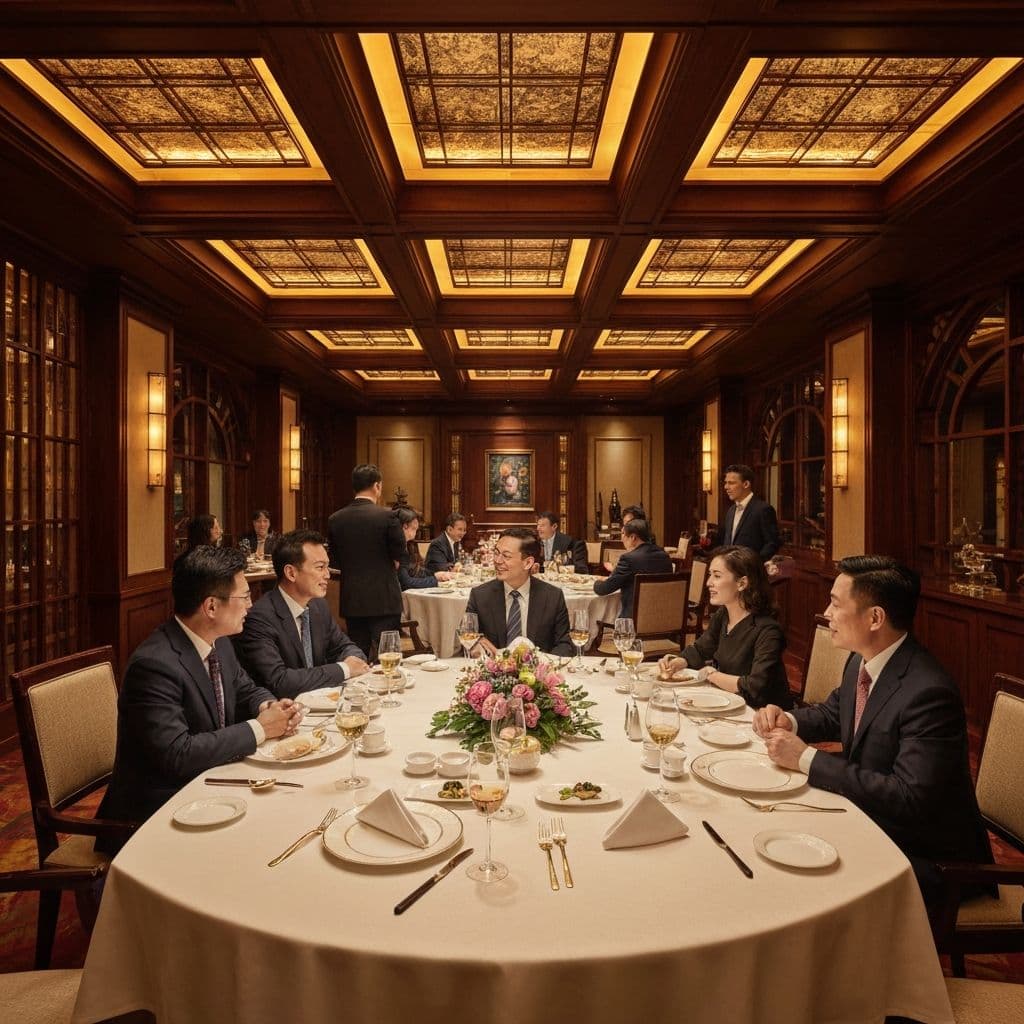
The Art of Gift-Giving in China: What to Give and What to Avoid
Giving gifts in China is an art full of hidden rules and deep meaning. This complete guide reveals the best gifts that always delight (premium tea, Moutai, fruit baskets), the absolute worst gifts that can destroy relationships (clocks, knives, umbrellas, anything in sets of four), plus essential tips on wrapping, presenting with both hands, and receiving gifts politely. Follow these rules and you’ll build stronger connections every time!
Anonymous
November 29, 2025
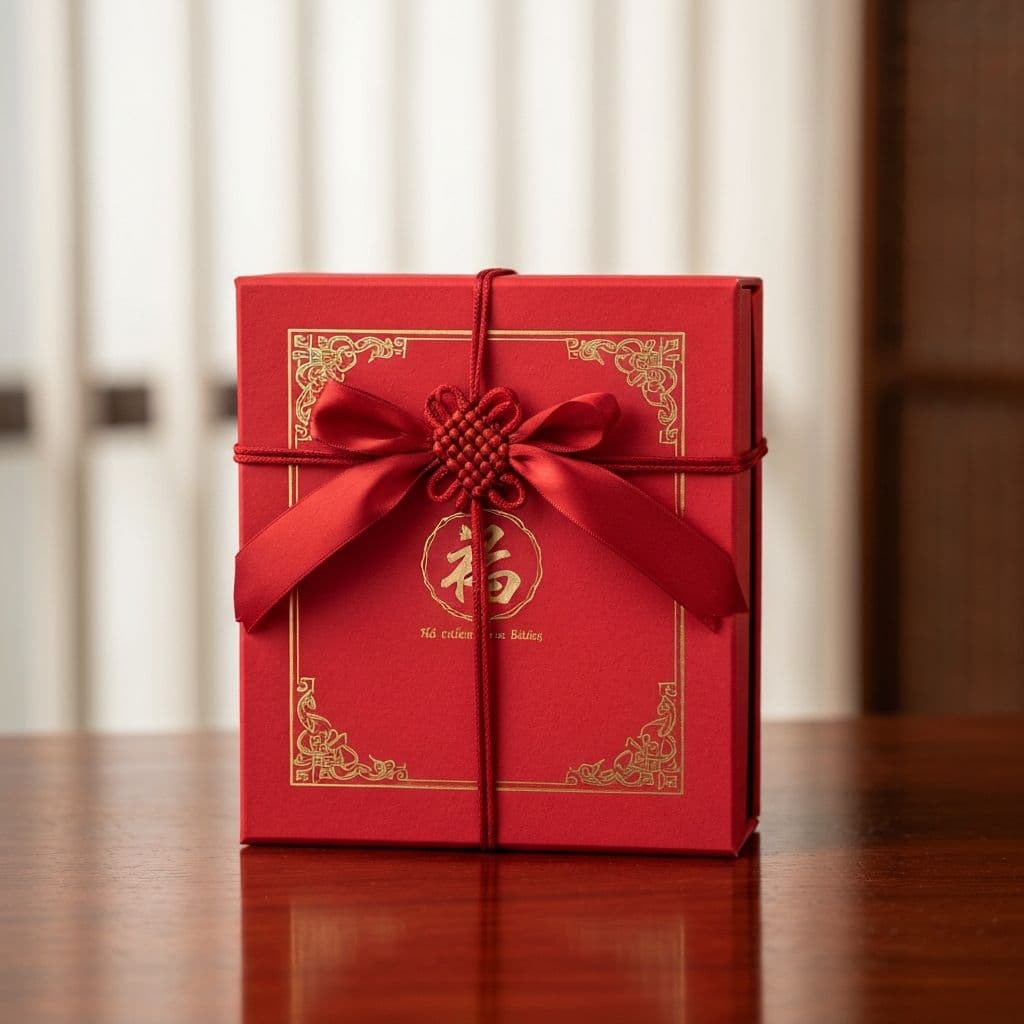
The Ultimate Guide to Chinese Gift-Giving Etiquette: What to Give, What NEVER to Give, and How to Present It Perfectly
In Chinese culture, giving gifts is far more than a simple gesture—it’s a profound way to express respect, gratitude, and how much you truly value the relationship. Very often, the thought and effort behind the gift matter way more than its actual price. Mastering the art of gift-giving in China comes with deep cultural meaning and plenty of unwritten rules. Get it right, and you’ll strengthen friendships and business ties; get it wrong, and you might accidentally cause serious offense or embarrassment.
Excellent (and Safe) Gift Choices That Almost Always Work
For Business Partners or Professional Relationships
Premium Chinese tea or a beautiful tea set – tea is deeply rooted in culture and always appreciated
High-quality liquor – Moutai (茅台) is the gold standard and seen as extremely prestigious; top-shelf whisky, cognac, or red wine also works wonderfully
Local specialties from your home country – shows you put real thought and effort into it
Luxury chocolates, artisanal coffee, or gourmet food baskets
Tasteful branded items – think high-end pens, leather wallets, or notebooks (avoid anything with huge flashy logos)
For Friends, Family, or Social Occasions
Fresh fruit baskets – always give an even number of each fruit (6, 8, 10…), never four
Quality skincare products or health supplements
Red envelopes (红包) with money inside – perfect for weddings, Chinese New Year, birthdays, or baby full-moon celebrations
Premium snacks or delicacies from famous specialty shops
Educational toys or books for children – parents love these
Gifts You Should NEVER Give in China (Major Taboos)
These items carry strong negative symbolism and can seriously damage relationships:
Clocks (钟)
The phrase “giving a clock” (sòng zhōng) sounds exactly like “attending a funeral” (sòng zhōng). This is probably the biggest and most serious gift taboo in China—never ever give a clock.
Sharp objects (knives, scissors, letter openers)
They symbolize cutting off the relationship—even a gorgeous chef’s knife set is a no-go.
Umbrellas (伞)
The word for umbrella (sǎn) sounds like “to scatter/separate”—many people believe it means the relationship will end.
Anything white or black (especially white flowers or chrysanthemums)
These colors are strongly associated with funerals and mourning.
Sets of four items
The number four (四, sì) sounds almost identical to “death (死, sǐ)” in Chinese—extremely unlucky.
Shoes
In some dialects, “shoes” sounds like “evil” or “bad luck,” and it also implies you want the person to “walk away” from you.
Presentation Is Just as Important as the Gift Itself
How you wrap and hand over the gift matters enormously:
Wrap in red, gold, or other bright festive colors – these are considered lucky and joyful
Always present the gift with both hands – it shows respect and sincerity
The receiver will probably refuse the gift once or twice at first (this is polite); gently offer again
Do not expect the gift to be opened in front of you – opening it later is the normal, respectful thing to do
Remove all price tags, but the quality should still be obvious
How to Receive a Gift Gracefully in China
Accept with both hands and a warm thank-you
It’s okay to politely decline once or twice before accepting – this shows humility
Do not open the gift immediately unless the giver insists
Always plan to reciprocate later with something of similar value and thoughtfulness
Final Thoughts
Thoughtful gift-giving is one of the fastest ways to build and deepen relationships in China. When you’re unsure, you can almost never go wrong with excellent tea, premium food or alcohol, or a meaningful item from your home country. Above all, remember: it’s the thought, the effort, and the respectful presentation that count the most. A modest but beautifully chosen and presented gift will always beat an expensive yet careless one.
Enjoyed this article?
Share it with your network