Visiting Buddhist and Taoist Temples: A Respectful Guide
Learn proper etiquette for visiting China's beautiful temples, from dress codes to offerings and photography rules.
Anonymous
November 27, 2025
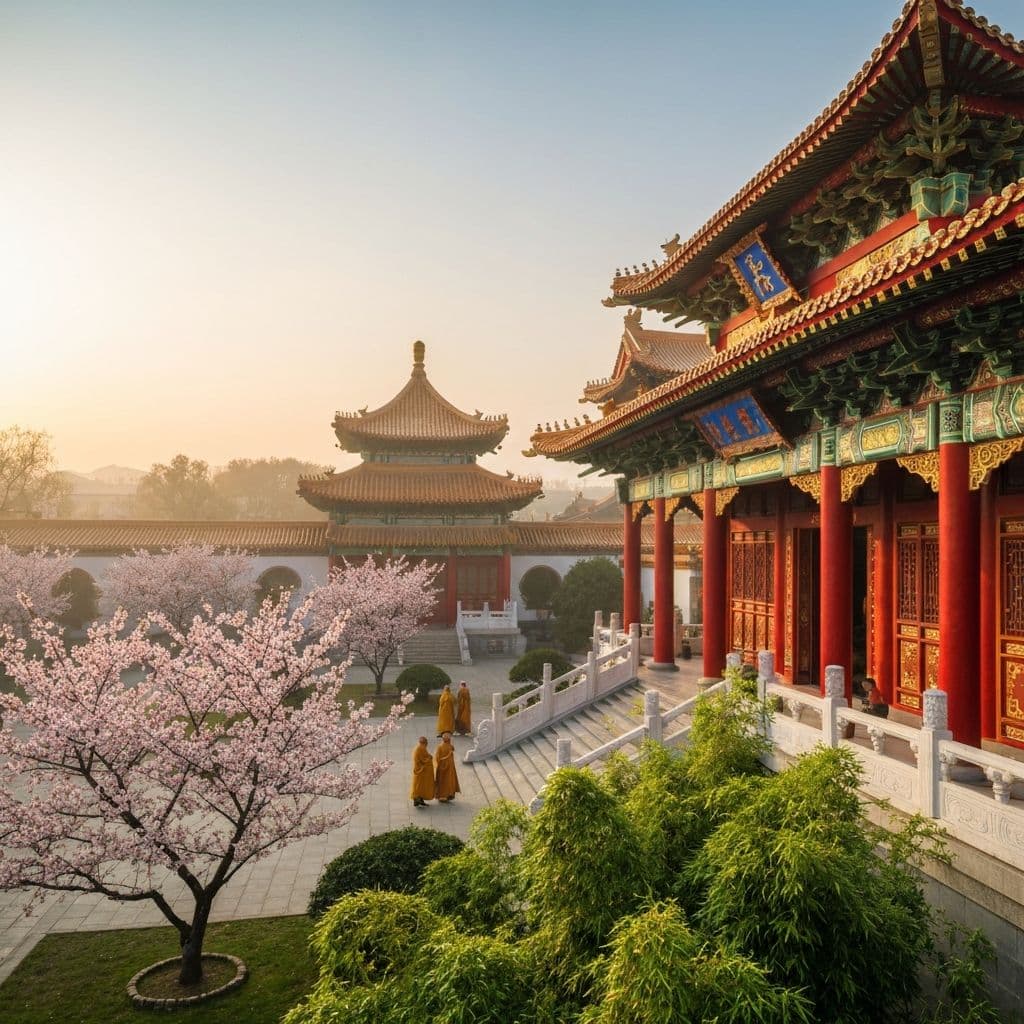
Chinese temples are sacred spaces for millions of people. Whether Buddhist or Taoist, these sites offer a window into China's spiritual traditions and cultural heritage.
Proper preparation and behavior shows respect for the religious tradition and its practitioners. Here's everything you need to know.
Before Your Visit
A little preparation goes a long way in ensuring a respectful and meaningful temple visit.
Dress Code
Dress modestly and respectfully. Temples are places of worship, not tourist attractions.
- Cover shoulders and knees—no tank tops, short shorts, or revealing clothing
- Avoid tight or flashy clothing
- Remove hats and sunglasses before entering main halls
- Some temples provide cover-ups if needed—but don't count on it
What to Bring
- Small bills for donations (5-20 RMB is appropriate)
- Incense—or plan to buy at the temple
- A respectful attitude—most important of all
- Comfortable shoes for walking on stone floors
At the Temple
Once inside, your behavior should reflect the sacred nature of the space.
Entering the Grounds
Pay attention to these entry customs that many visitors overlook:
- Step over, not on, the threshold—it's considered sacred
- Enter through side doors when possible—center doors are traditionally for deities and monks
- Walk clockwise around halls and stupas
- Keep to the sides of pathways, leaving the center clear
Proper Behavior
- Speak quietly—temples are places of meditation and prayer
- Don't point at Buddha statues—use an open palm gesture instead
- Photography may be restricted in main halls—always look for signs
- Ask permission before photographing monks, nuns, or worshippers
- Turn off your phone or set it to silent
Making Offerings
Offerings are an important part of temple worship. Even as a visitor, you can participate respectfully.
Incense (香)
Offering incense is the most common practice:
- Light three sticks—representing Buddha, Dharma, and Sangha (or past, present, future)
- Hold at forehead level and bow three times
- Place in designated burners—don't throw or stick randomly
- Let the incense burn naturally; don't blow it out
Donations
- Donations are always voluntary—never feel pressured
- Place money in donation boxes, not directly to monks
- Any amount is acceptable and appreciated
- You can also donate fruit, flowers, or oil for lamps
Buddhist vs. Taoist Temples
China has two main types of temples with different characteristics. Knowing the difference enriches your visit.
Buddhist Temples (寺, Sì)
- Focus on Buddha and bodhisattvas
- Monks wear orange, grey, or brown robes
- Vegetarian food often available on premises
- More meditation-focused, quieter atmosphere
- Common features: pagodas, Buddha statues, lotus imagery
Taoist Temples (观, Guàn)
- Worship various deities—gods of wealth, health, longevity, etc.
- Priests may have topknots and wear traditional robes
- More incense, paper offerings, and fortune-telling
- Often more colorful and ornate decorations
- Common features: yin-yang symbols, dragon imagery, multiple deity halls
Conclusion
Temples are sacred spaces for millions of Chinese people. Your respectful behavior honors both the religious tradition and the practitioners you encounter.
When in doubt, observe what others do and follow their lead. Your sincere respect will always be appreciated.
Enjoyed this article?
Share it with your network